In Celebration of Active Aging Week
When we picture healthy aging, our minds often turn to traditional wellness rituals: morning calisthenics, a Mediterranean-style salad, or twenty minutes spent solving a daily crossword puzzle. While these habits are undoubtedly valuable, there is another transformative—and frequently overlooked—engine of vitality waiting right outside our front door.
That engine is travel.
During Active Aging Week, communities around the globe celebrate the boundless capabilities, curiosity, and contributions of older adults. Far from being a luxury reserved merely for leisure or passive escape, intentional, exploratory travel serves as a powerful, multi-dimensional prescription for biological and cognitive longevity.
By taking us beyond familiar routines, purposeful travel directly strengthens the three core pillars of thriving in our later years: physical mobility, cognitive vitality, and meaningful social connection.
1. Physical Mobility: Exercise in Disguise
Maintaining functional mobility is crucial for long-term independence, yet structured gym regimens can often feel like a chore. Travel effortlessly solves this by transforming physical activity into incidental exploration.
Effortless Aerobic Volume: Whether wandering through an art gallery, touring a botanical garden, or strolling through a historic town square, travelers routinely double or triple their typical daily step counts without even realizing it.
Dynamic Stability and Balance: Navigating cobblestone alleys, gentle hillside trails, or museum stairs engages micro-stabilizing muscles in the ankles, hips, and core. This dynamic proprioceptive challenge sharpens balance and directly lowers the long-term risk of falls.
Functional Stamina: Managing day bags, stepping onto regional trains, and adapting to varying paces naturally builds joint flexibility, cardiovascular endurance, and muscular resilience.
In essence, travel turns the physical world into an inviting, low-impact gymnasium where curiosity—not a timer—sets the pace.
2. Cognitive Vitality: The Brain’s Greatest Workout
Neuroscientists have long established that the brain thrives on novelty and complexity. When life becomes overly predictable, neural pathways fall into energy-saving patterns. Purposeful travel shakes awake the brain’s neuroplastic potential.
Wayfinding and Spatial Navigation: Deciphering transit maps, orienting oneself in unfamiliar neighborhoods, and remembering street landmarks recruits the hippocampus—the very brain region most sensitive to age-related decline.
Multi-Sensory Immersion: Tasting unfamiliar spices, hearing distinct regional dialects, and admiring unexpected architecture creates a rich sensory tapestry that triggers dendritic branching and synapse formation.
Executive Problem-Solving: Handling real-time adjustments—such as converting currency, navigating a local market, or conversing across language barriers—acts as a high-intensity interval workout for working memory and fluid intelligence.
Experiencing new horizons doesn’t just broaden the mind; it actively builds cognitive reserve, keeping our mental faculties sharp and agile.
3. Social Connection: The Antidote to Late-Life Isolation
Loneliness is recognized as a significant health risk for mature adults, comparable to chronic physiological conditions. Travel operates as a natural social catalyst, shattering routines of isolation.
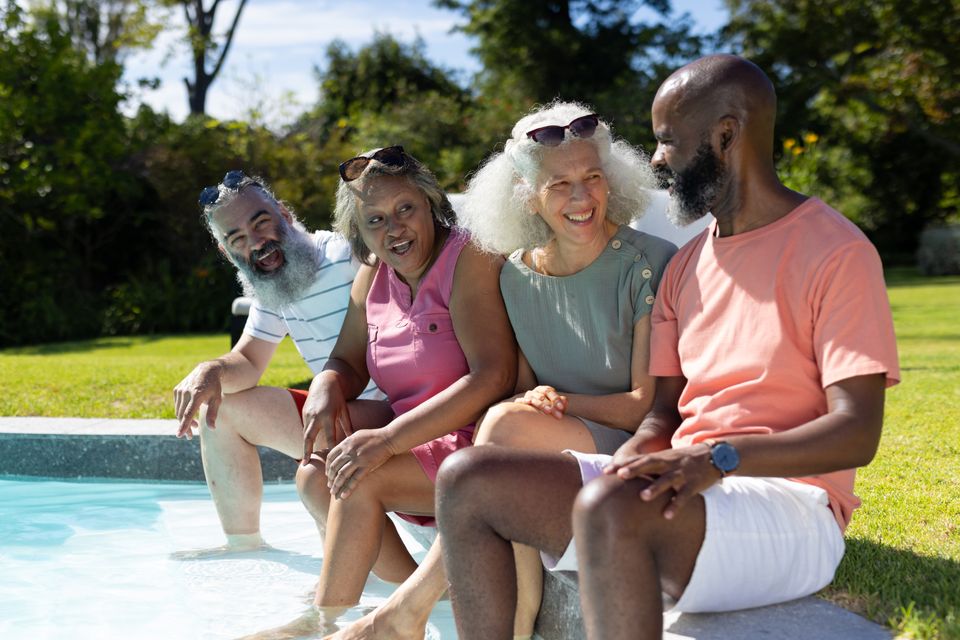
Shared Vulnerability and Camaraderie: Joining a small-group excursion, an educational tour, or an intergenerational family road trip creates an instant bond. Navigating new experiences together strips away superficial barriers, cultivating deep, lasting friendships.
Cross-Cultural Empathy: Engaging with local artisans, historians, and restaurateurs fosters a profound sense of shared humanity and belonging that transcends borders.
A Renewed Sense of Purpose: When older adults step into the role of storytellers, mentors, and curious observers, travel revitalizes existential purpose—a documented marker of emotional resilience and life satisfaction.
How to Plan Your Own "Longevity Journey"
You don’t need an around-the-world cruise to reap the longevity dividends of travel. The essence of purposeful travel lies in intention, novelty, and engagement, regardless of distance:
- Adopt a "Pedestrian-First" Mindset: When planning getaways, choose walkable accommodations located near historic quarters, national parks, or downtown centers so that walking is your primary mode of discovery.
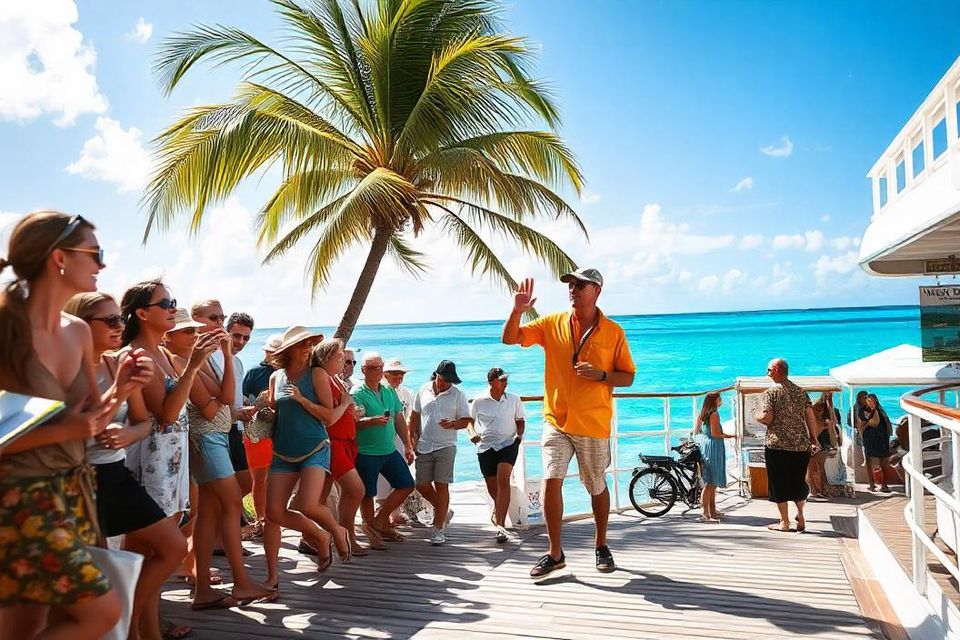
- Prioritize Experiential Learning: Replace passive bus tours with interactive workshops—take a regional pottery lesson, join a localized cooking masterclass, or book an architectural walking tour led by a local guide.
- Pace for Restoration: Avoid burnout by balancing active mornings with slow afternoons, restorative sleep, and nourishing regional meals. Travel for longevity is a gentle rhythm, not a race.
- Explore Closer to Home: A day trip to an unfamiliar historic village, an afternoon exploring a regional state park, or an evening taking a train to a neighboring cultural district delivers the exact same neurological and physical benefits.
Expanding Horizons at Every Age
Active Aging Week is a reminder that growing older is not about winding down—it is about leaning in.
Travel reminds us that the world remains vibrant, vast, and eager to be experienced. By lacing up our walking shoes, opening our minds to the unfamiliar, and sharing meals across new tables, we are not just accumulating passport stamps—we are investing in a healthier, sharper, and deeply connected future.
Where will your next journey take you?